
Published · 2026-10-22
Moving Beyond “Faster Pipetting” Toward Stable, Traceable, and Reproducible Laboratory Workflows
As sample volumes continue to grow and experimental procedures become increasingly complex, the real scarcity in laboratories is no longer simply faster pipetting, but the ability to establish end-to-end workflows that are stable, traceable, and reproducible. Automated liquid handling workstations are becoming essential infrastructure for genomics, clinical testing, biopharmaceutical R&D, and sample management. The pipette tips used with these systems are no longer ordinary consumables; they have become a critical interface that directly affects usable sample yield and uninterrupted system operation.
01 | The Chinese Market: From Standalone Automation to Integrated Workflow Platforms
Based on publicly available product portfolios, Hamilton has established a relatively clear product lineup in China. Microlab Prep and NIMBUS address benchtop and low-to-medium-throughput applications; STAR and STARlet emphasize modularity and versatility; while STAR V and VANTAGE are better suited to high-throughput operations, extended unattended runs, and integration with third-party equipment. In 2024, Hamilton officially opened its automation division’s Shanghai Zhangjiang showroom, further strengthening local product demonstrations, application support, and customer engagement.
Procurement priorities are also changing. Increasingly, laboratories are no longer asking only whether automation can replace manual sample dispensing. Instead, they want to know whether methods can be standardized, whether barcode identification can be integrated with LIMS, whether contamination risks can be controlled, whether run records can be traced retrospectively, and whether throughput can be scaled reliably during peak demand.
02 | Nine High-Frequency Applications: What Do Workstations Actually Handle?
Genomics and NGS | Blood sample aliquoting, DNA/RNA extraction, quantitative normalization, PCR setup, magnetic-bead purification, and library preparation. These workflows support WGS, RNA-seq, targeted sequencing, single-cell applications, and long-read sequencing.
Clinical Molecular Diagnostics | Sample decapping, sample stratification, aliquoting, nucleic acid extraction, and pre-PCR/qPCR processing. Workstations can also support sample preparation for liquid biopsy, toxicology, and therapeutic drug monitoring.
Drug Discovery and High-Throughput Screening | Compound dispensing, serial dilution, hit picking, microplate replication, reagent addition, and assay plate setup—all helping reduce inter-plate and inter-batch variability.
Cell Culture and Cell-Based Assays | Integration with incubators, microscopy and imaging systems, centrifuges, temperature-control units, and shaking modules to perform cell seeding, media changes, passaging, compound addition, cell harvesting, and assay plate preparation.
Biopharmaceuticals, Gene Therapy, and Cell Therapy | Applications include cell-line development, clone screening, viral vector analysis, potency and infectivity assays, process development, and analytical method automation.
Protein Science and Proteomics | Protein purification, buffer exchange, enzymatic digestion, peptide cleanup, and LC-MS sample preparation, transforming multistep sample preparation into standardized procedures.
Analytical Chemistry and Quality Control | Solid-phase extraction (SPE), protein precipitation, filtration, derivatization, internal standard addition, and LC-MS/GC-MS sample preparation. Liquid classes can be optimized for complex liquid properties.
Biobanking and Cohort Studies | Barcode identification, aliquoting, sample reformatting, pre-freezing preparation, and data association enable end-to-end tracking of samples in large cohorts.
Forensics, Agri-Food, Veterinary, and Environmental Testing | Applications include forensic DNA preparation, molecular breeding in plants and animals, foodborne pathogen testing, veterinary diagnostics, and batch preparation of water and industrial samples.
03 | Case Studies: The Real Value of Automation Lies in Reproducible Delivery
Case Study 1 | A Small Genomics Team: Compressing Hours of Work into Approximately 20 Minutes
The Sequencing and Genotyping Center at the University of Delaware incorporated Microlab Prep into its existing genomics workflows. According to Hamilton’s published case study, the team reduced manual handling time while increasing throughput and reproducibility, without significantly increasing workflow complexity.
The researchers’ practical takeaway was striking: work that had previously taken several hours could now be completed in approximately 20 minutes. For laboratories with limited staffing and steadily increasing sample volumes, the value of benchtop automation is not to “replace everyone,” but to free researchers from repetitive pipetting tasks so they can focus on higher-value scientific work.
Case Study 2 | Viral Vector Quality Analysis: Running Two ELISA Workflows in Parallel on One Platform
The Analytical Development team at AGC Biologics in Milan used Microlab STARlet, integrated with a plate washer, a microplate reader, and two incubators, to automate two ELISA workflows for evaluating lentiviral vector purity. The workflows separately measured residual Benzonase and host cell proteins.
The key innovation was not simply automated pipetting. Using VENUS Scheduler, the team scheduled parallel experiments and enabled both assays to share the same sample aliquoting step. For gene and cell therapy R&D, this type of workflow integration can reduce handoffs and improve the consistency of method execution.
Case Study 3 | Biobanking: Connecting Sample Preparation, Capping/Decapping, and −80°C Storage into One Workflow
Hamilton’s published biobanking automation case demonstrates the integration of sample processing, automated capping and decapping, and large-capacity automated storage at −80°C. The objective is not merely to increase the speed of individual aliquoting operations, but to maintain continuous links between sample identity, location, processing steps, and storage status.
For cohort studies, hospital biobanks, and pharmaceutical biosample management, significant risks often arise from misplaced samples, missed dispensing steps, repeated freeze–thaw cycles, and gaps in information. An automated platform turns these potential risks into documented and verifiable process checkpoints.
04 | Beyond Precision, Hamilton Emphasizes Verifiability
CO-RE II uses an O-ring and a specially designed tip interface to create a tight connection with minimal deformation, while supporting gentle tip ejection. This provides a stable airtight foundation for liquid-level detection and pressure monitoring.
Depending on the system configuration, TADM monitors pressure changes in each pipetting channel in real time during aspiration and dispensing. MAD helps identify potential aspiration anomalies and confirm whether aspiration has succeeded. Liquid-level detection combines pressure-based and capacitive sensing to accommodate different liquid conditions, including foaming, conductive liquids, and non-conductive liquids.
Meanwhile, independent pipetting channels, 96- and 384-channel pipetting heads, grippers, barcode systems, temperature control, shaking modules, and third-party equipment integration enable workstations to expand beyond simple liquid dispensing to support extended unattended operation. Information about samples, carriers, and consumables can also be incorporated into run records and linked to LIMS or internal data systems.
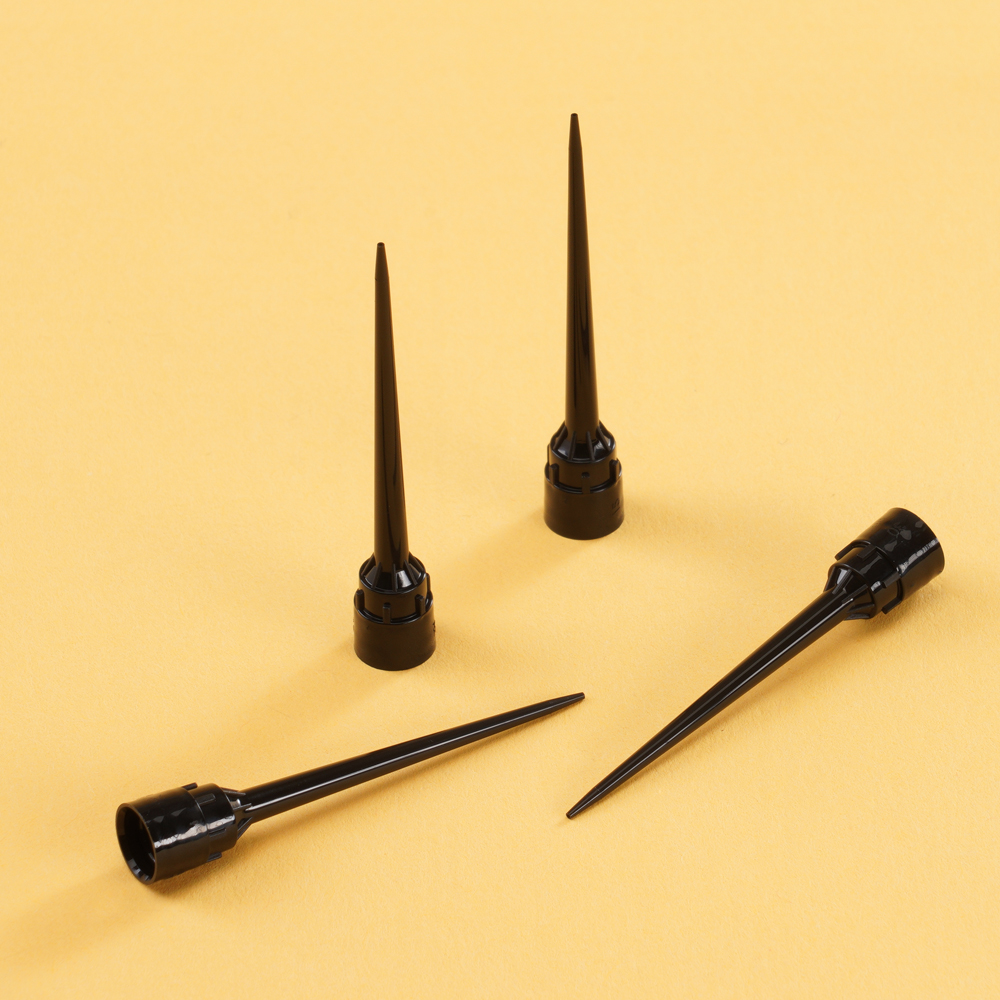
A high-performance workstation also needs pipette tips that deliver a reliable fit.
05 | Why Pipette Tips Are Not “Minor Consumables,” but Part of System Performance
Automated pipette tips form the direct-contact interface between the workstation and the sample. Variations in dimensional tolerances, sealing performance, conductivity, coefficient of variation (CV), and tip pull-off force can lead to failed tip pickup, abnormal liquid-level detection, residual liquid or dripping, cross-contamination, and even the need to repeat an entire plate. The higher the throughput, the greater the cost amplification of an individual consumable failure.
Therefore, evaluating domestic alternatives cannot be based on the price per box alone. Procurement, laboratory, and quality teams need to jointly confirm whether the tips are compatible with the specific instrument model and volume range, meet cleanliness and sterilization requirements, maintain consistency across batches, and come with responsive troubleshooting and reliable ongoing supply.
06 | Yatong-Compatible Pipette Tips: Five Practical Advantages of a Domestic Alternative
01 | Clearer Instrument Compatibility
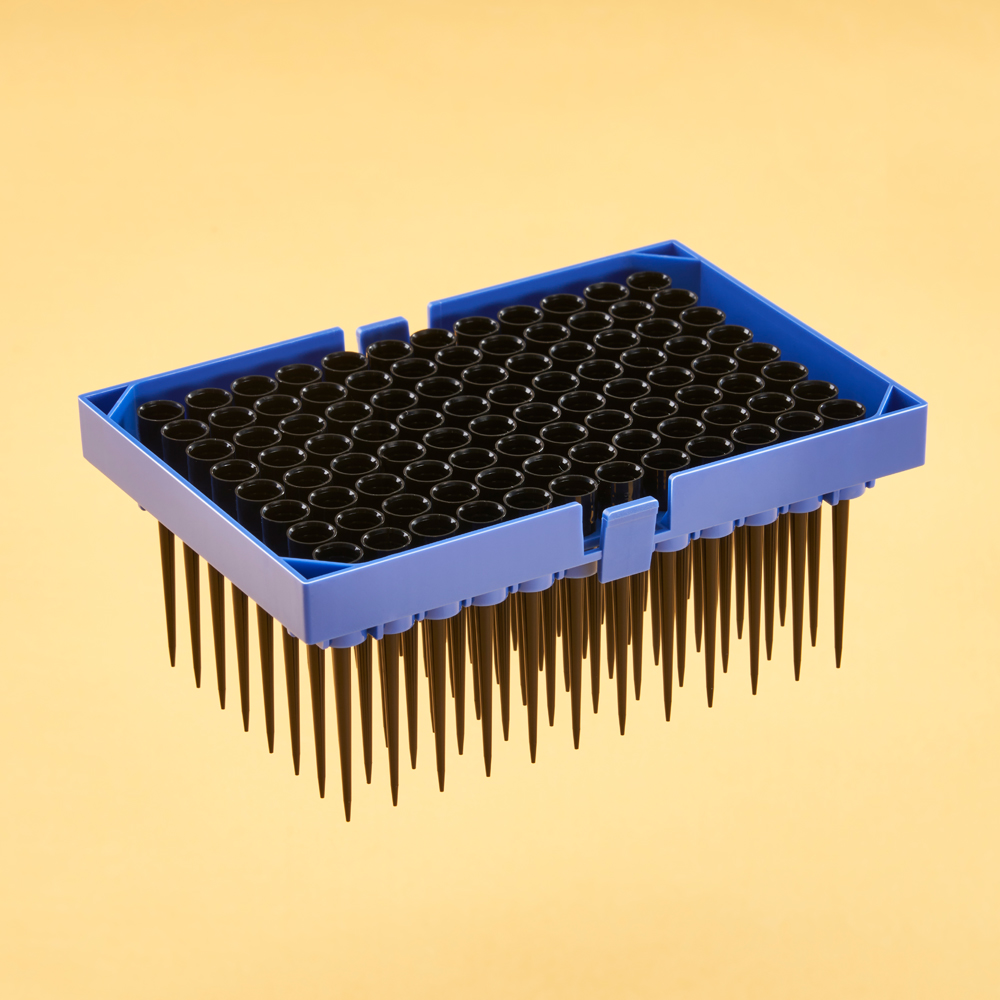
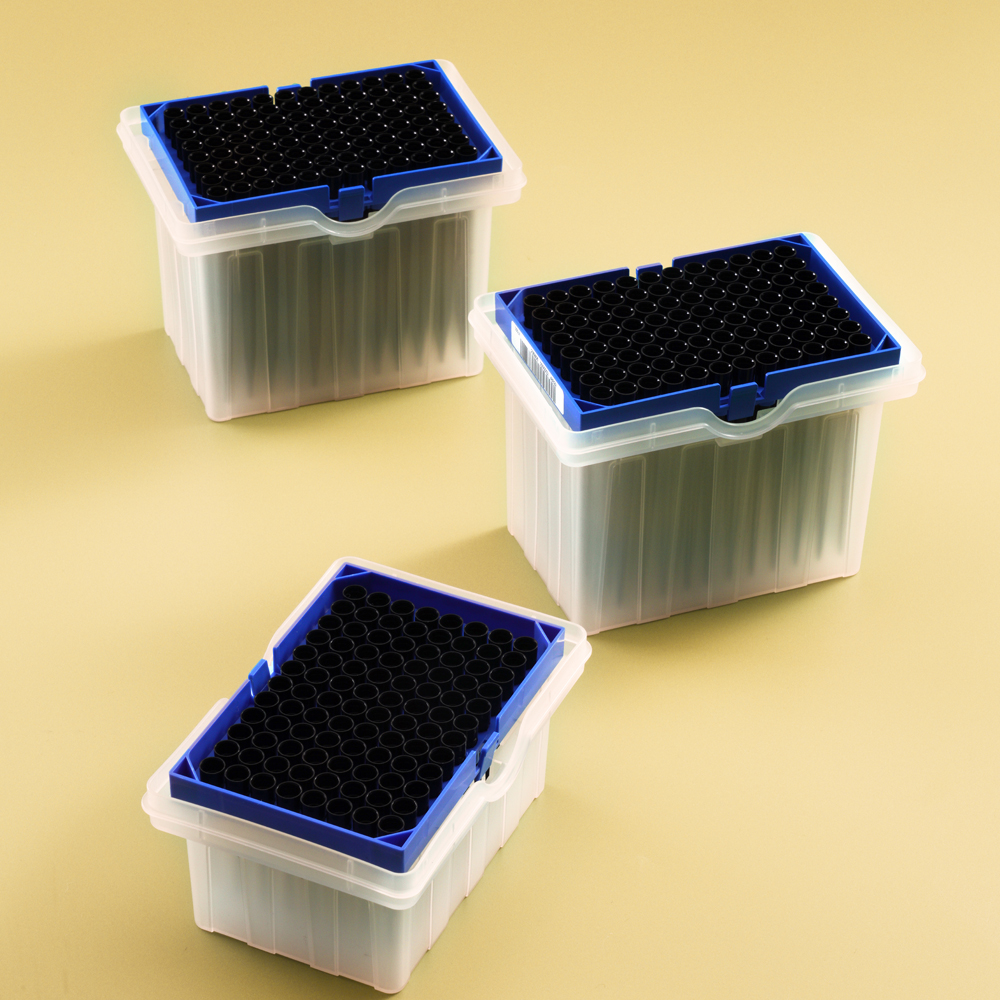
Yatong’s Hamilton-compatible automated pipette tips can be used with STAR, STAR V, NIMBUS, VANTAGE, and Prep workstations. Selection should be based on the specific instrument model, aspiration volume, filtered or non-filtered configuration, sterilization status, and liquid type.
02 | Clearly Specified Materials and Cleanliness
The products are made from medical-grade polypropylene (PP) and are labeled DNase-free, RNase-free, and pyrogen-free. For nucleic acid research, cell-based applications, clinical sample preparation, and high-sensitivity analytical workflows, these specifications are fundamental prerequisites for validation—not merely additional selling points.
03 | Critical Performance Parameters Included in 100% Inspection
Fully automated production reduces manual intervention. Appearance, performance, and packaging undergo 100% inspection, with performance parameters including electrical resistance, CV, and tip pull-off force.
For automated consumables, batch-to-batch consistency and reliable tip pickup are often more important than the occasional accuracy achieved with a single sample.
04 | Local Supply That Facilitates Faster Validation
As a localized supply option, Yatong can offer greater flexibility in coordinating sample testing on instruments, confirming product selection, providing quality documentation, and arranging replenishment schedules. For laboratories that require several rounds of small-batch validation before gradually increasing volumes, responsive local support can help shorten the implementation cycle.
05 | Better Suited to a “Validate–Scale Up–Reverify” Process
The core objective of consumable substitution is not to pass a one-time test, but to establish a sustainable adoption pathway. Begin with visual inspection and tip pickup testing, then validate liquid-level detection, residual liquid, CV, and contamination risks. After successful validation, proceed to small-batch operation and review key indicators batch by batch.
Yatong’s product specifications and quality-control information provide a foundation for discussion, validation, and documentation throughout this process.
07 | Procurement Recommendations: Validate First, Then Scale Up
The introduction of compatible pipette tips can be divided into four steps:
Step 1: Verify the workstation model, number of channels, volume range, and method program.
Step 2: Test tip pickup and ejection, sealing performance, liquid-level detection, and compatibility with the relevant liquid classes.
Step 3: Use real samples or an equivalent matrix to validate precision, residual liquid, contamination control, and operational stability.
Step 4: Establish a compatibility list, batch-specific quality documentation, and a sustainable supply plan.
For laboratories using Hamilton STAR, STAR V, NIMBUS, VANTAGE, or Prep workstations, the value of Yatong-compatible pipette tips should not be defined solely as a lower-cost replacement. Rather, they represent a domestic supply solution that balances instrument compatibility, cleanliness, batch consistency, and responsive local support.
Validate first, then scale up.
Make every aspiration verifiable and every batch reproducible.
Contact Us
Tel: +86 512 6530 1268
Email: INFO@ACUMENBIO.CN or Xiangshun.sun@ACUMENBIO.CN
Website: WWW.ACUMENBIO.CN
Address: No. 25 Xiasheng Road, Suzhou Industrial Park, Suzhou, China